
Choosing the Best Material: Tips From a Tile Contractor
Choosing the right tile material plays a major role in the durability, appearance, and functionality of any renovation. Whether planning bathroom remodels, kitchen remodels, fireplaces, or flooring updates, the materials selected will influence both performance and long-term value. Working with an experienced tile contractor provides valuable insight into which options align with specific spaces and goals. Understanding the differences between materials and how they perform helps homeowners make informed decisions that support both style and longevity, which leads directly into exploring the most common tile types and their benefits.
Understanding Tile Types With Proper Planning
Ceramic tile remains a widely used option due to its versatility and cost-conscious appeal. It is made from natural clay and fired at high temperatures, creating a durable surface suitable for walls and floors. Many homeowners rely on a contractor to determine where ceramic performs well, particularly in areas with moderate use, such as backsplashes or certain flooring applications. Glazed ceramic adds an extra protective layer, making it easier to clean in kitchens and bathrooms.
Porcelain tile offers a denser and more moisture-resistant alternative. Because it is fired at higher temperatures, it delivers durability that works well in high-traffic areas. A tile contractor often recommends porcelain for flooring projects, especially in bathrooms and kitchens where moisture exposure is frequent. Its ability to replicate natural stone or wood visuals also makes it a practical and attractive option.
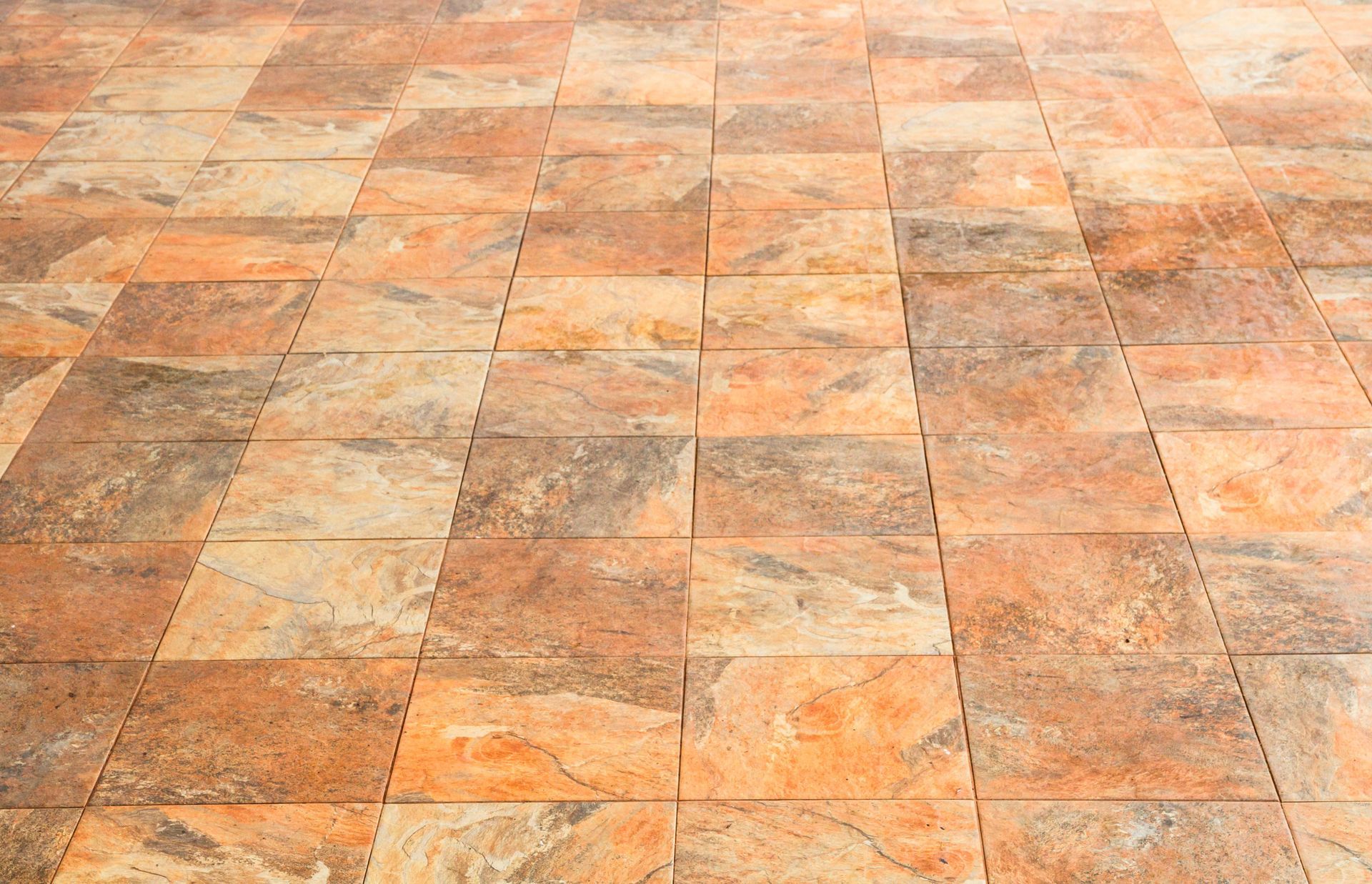
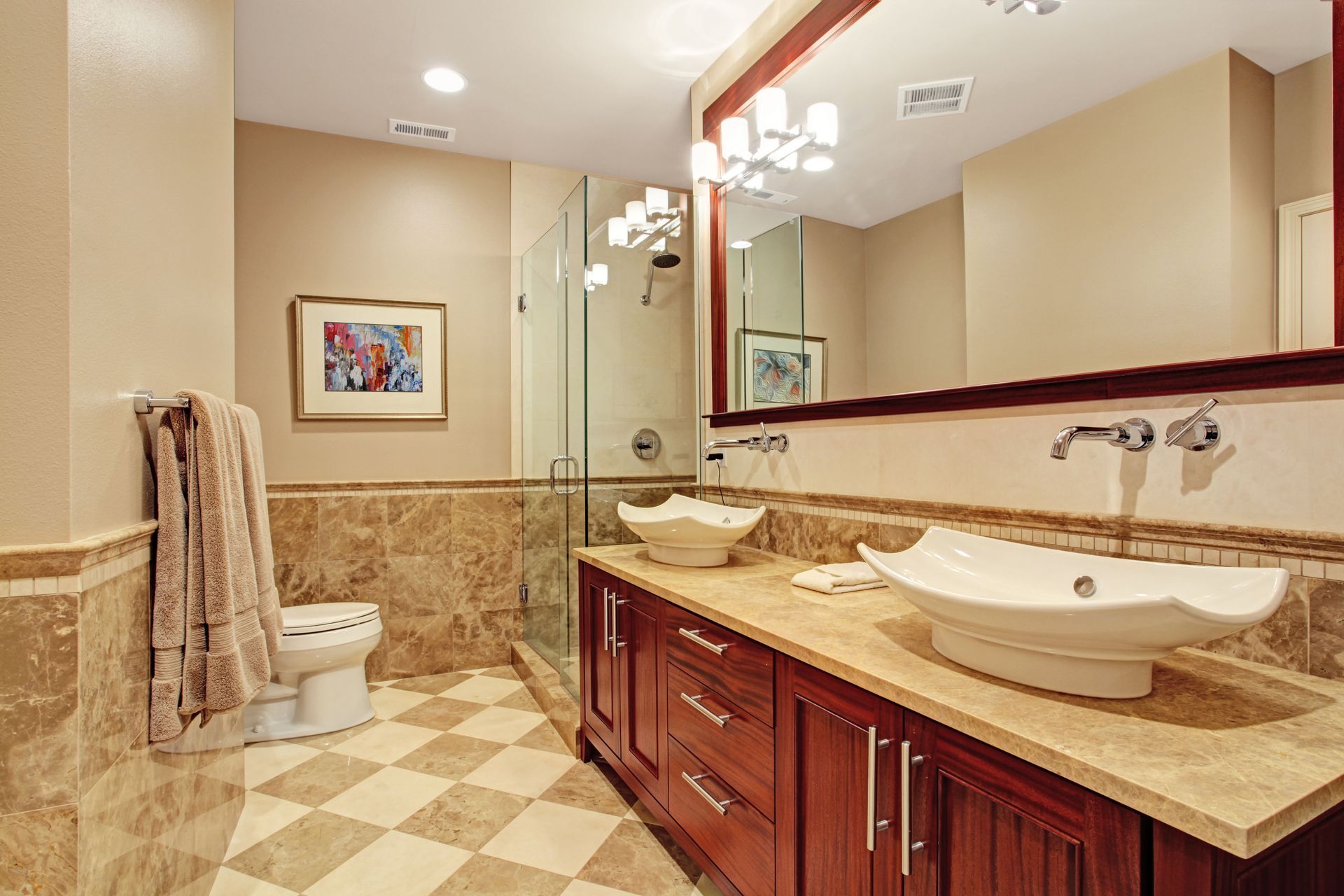
Natural stone tiles, including marble and granite, provide a distinct appearance with unique veining and texture. These materials are often used in fireplaces or upscale flooring designs. While visually appealing, they require regular sealing and maintenance. A contractor will typically guide homeowners through the care requirements to ensure the material performs as expected over time.
Glass tiles bring a reflective quality that enhances lighting in kitchens and bathrooms. They are commonly used for backsplashes, where their non-porous surface resists staining and moisture. Mosaic tiles, often made from a blend of materials, allow for creative patterns and accents. These designs can elevate bathroom remodels or add detail to kitchen remodels when installed with precision.
Evaluating Durability With Long-Term Performance in Mind
Durability is a key factor when selecting tile for any space. Moisture resistance plays an essential role in bathrooms and kitchens, where water exposure is frequent. Porcelain and glass tiles are often preferred because they limit water absorption. A tile contractor may also recommend proper sealants and installation methods to protect the underlying structure.
Wear resistance is equally important, particularly in areas with heavy foot traffic. Flooring in entryways, hallways, and living areas must handle daily use without showing excessive wear. Materials such as porcelain and certain natural stones provide strong resistance to scratches and impact. Working with a tile contractor ensures the selected material matches the expected level of use.
Temperature stability should also be considered, especially for fireplaces or areas exposed to fluctuating conditions. Some materials expand or contract more than others, which can lead to cracking if not installed correctly. Proper spacing and installation techniques help maintain structural integrity over time.
According to information shared by This Old House, tile flooring can last for more than 50 years when maintained properly. This long lifespan highlights why durability should remain a priority when selecting materials for any remodeling project.
Considering Maintenance With Everyday Practicality
Maintenance requirements vary depending on the material selected. Ceramic and porcelain tiles are known for being easy to clean, making them ideal for busy households. Regular sweeping and occasional mopping are typically sufficient to maintain their appearance. A contractor may also recommend specific cleaning products that align with the material to avoid damage.
Natural stone requires more attention, including periodic sealing to prevent staining and moisture absorption. While this maintenance adds an extra step, it helps preserve the natural beauty of the material. Glass tiles are also low maintenance, as their smooth surface resists buildup and allows for easy cleaning.
Grout plays a major role in maintenance as well. Choosing high-quality grout and sealing it properly helps prevent discoloration and moisture issues. A tile contractor will often emphasize the importance of maintaining grout lines to extend the life of the installation.
Designing Spaces With Texture and Finish
Texture and finish influence both the look and feel of tile installations. Polished finishes create a sleek and reflective appearance, often used in modern kitchen remodels or bathrooms. However, they can become slippery in wet areas, which is why a tile contractor may suggest textured finishes for added traction.
Textured tiles work well in showers, flooring, and areas where safety is a concern. Combining different finishes within the same space can add depth and visual interest without overwhelming the design. Fireplaces, for example, often benefit from textured or natural stone finishes that create a focal point.
Balancing appearance with functionality ensures the finished space not only looks appealing but also performs well in everyday use. A contractor can help align these elements based on the intended purpose of each area.
Selecting Colors and Patterns With Cohesion
Color and pattern choices shape the overall atmosphere of a space. Neutral tones create a calm and timeless look, while bold colors can add contrast and personality. In kitchen remodels, backsplashes often serve as an opportunity to introduce pattern without dominating the space.
Patterns such as herringbone or stacked layouts add visual movement and can make smaller areas feel more dynamic. Mosaic tiles are frequently used to create accent features in bathrooms or around fireplaces. A tile contractor works closely with homeowners to ensure that color selections complement existing elements such as cabinetry, countertops, and flooring.
Lighting also plays a role in how colors appear. Natural and artificial light can alter the tone of tile surfaces, making it important to evaluate samples in the actual space before making a final decision.
Planning Layouts With Spatial Awareness
Tile size and layout impact how a room feels. Larger tiles create a more open and seamless appearance, making them a popular choice for flooring in living areas. Smaller tiles allow for intricate designs and detailed patterns, often used in backsplashes or shower walls.
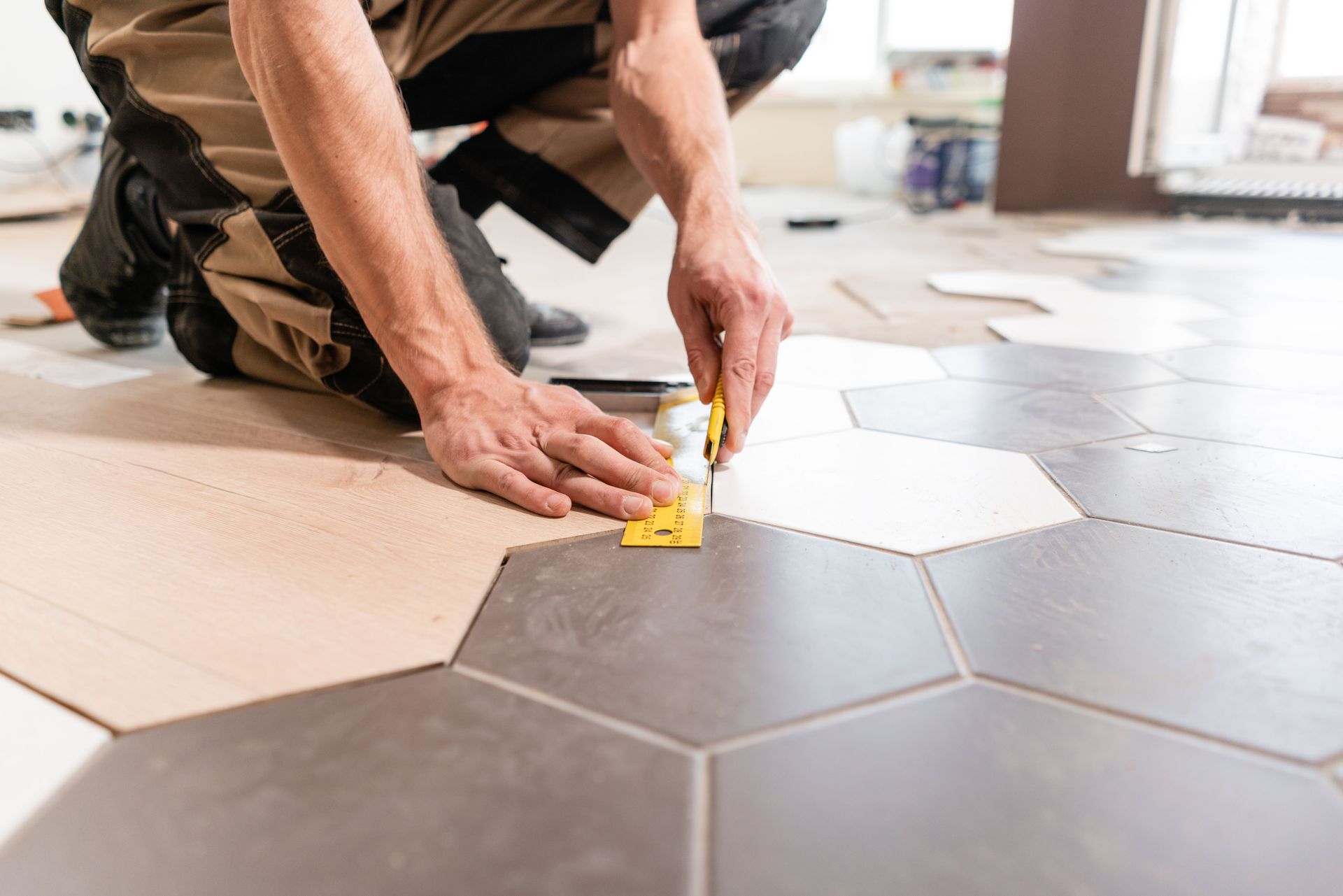
Layout patterns such as offset or diagonal arrangements can enhance visual interest while maintaining balance. A contractor ensures that layouts are not only visually appealing but also structurally sound. Proper alignment and spacing contribute to a polished final result.
Combining different tile sizes within a single project can add depth and dimension. For example, large-format flooring paired with a mosaic accent wall can create contrast while maintaining cohesion throughout the design.
Enhancing Lighting Effects With Strategic Choices
Lighting significantly influences how tile surfaces appear. Glossy finishes reflect light, brightening a space and creating a modern feel. Matte finishes absorb light, offering a softer and more understated look. A tile contractor considers lighting conditions when recommending materials for different areas of the home.
In bathrooms and kitchens, reflective surfaces can help distribute light more evenly, improving visibility and ambiance. Fireplaces can benefit from materials that highlight texture under varying lighting conditions, creating a warm and inviting focal point.
Layered lighting, including overhead and accent fixtures, can further enhance tile installations. These elements work together to highlight textures, patterns, and colors throughout the space.
Balancing Trends With Lasting Appeal
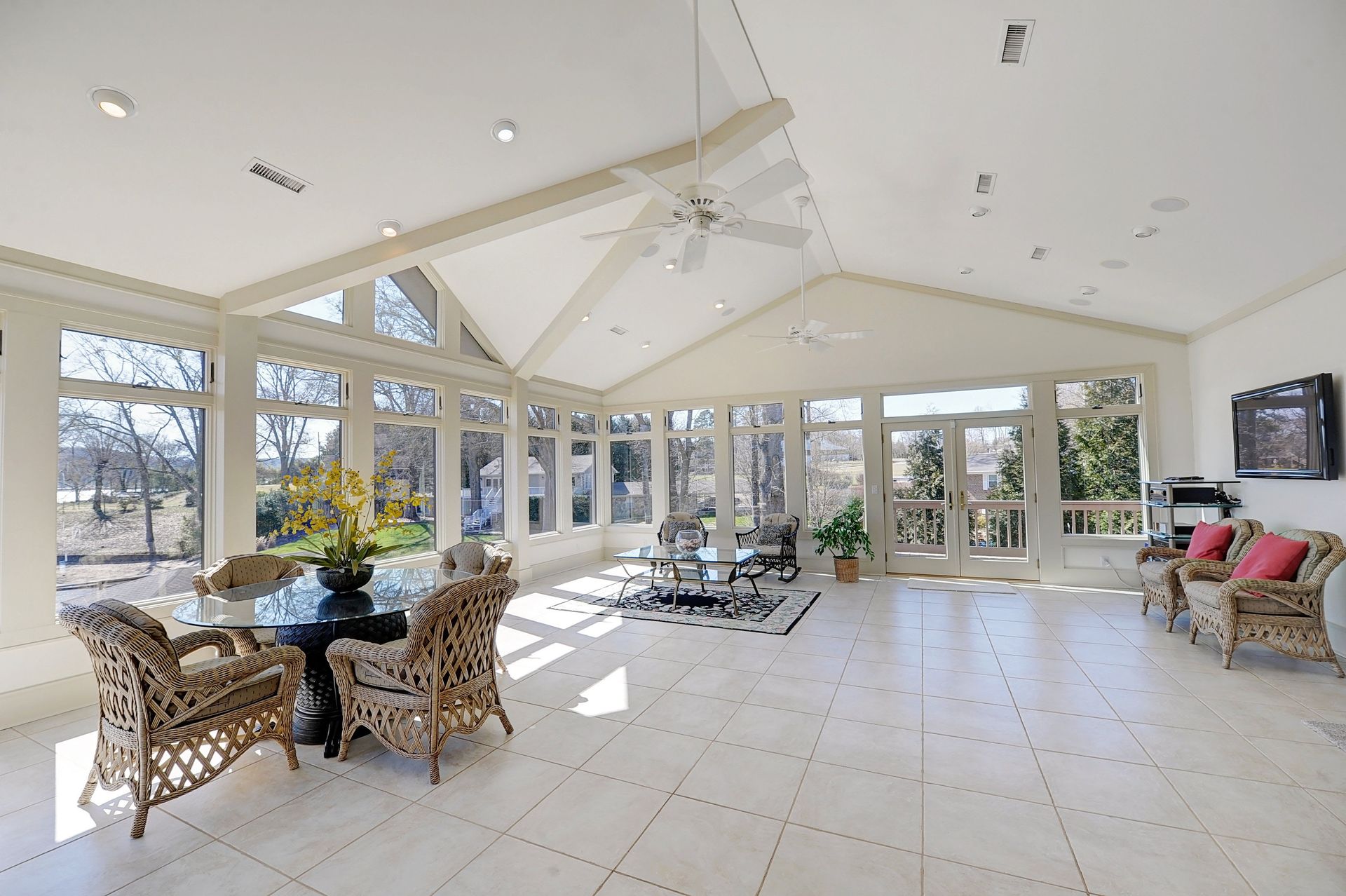
Tile trends continue to evolve, introducing new colors, patterns, and materials. While modern styles can add a fresh look, it is important to balance trends with long-term appeal. Neutral palettes and classic layouts often maintain their relevance over time, making them a practical choice for larger areas such as flooring.
Accent features provide an opportunity to incorporate current design trends without committing to a full renovation. A contractor can guide homeowners in selecting elements that align with both current preferences and future flexibility.
Combining timeless materials with subtle trend influences helps create a design that feels current while remaining functional for years to come.
Selecting the right tile involves balancing durability, maintenance, design, and long-term value. From bathroom remodels and kitchen remodels to fireplaces and flooring, each decision contributes to the overall success of the project. Working with a knowledgeable tile contractor ensures that materials and layouts are chosen with both performance and appearance in mind.
At Anaheim Hills Tile Supply, we guide homeowners through every step of the selection process, helping us create spaces that reflect both style and functionality. Contact us today to explore options and begin planning your next tile project with confidence.
Share On: