
The Benefits of Installing Tile Flooring
Tile flooring has evolved into one of the most popular choices for both residential and commercial spaces. Its combination of durability, style, and practicality makes it an appealing option for homeowners, designers, and business owners alike. Unlike other flooring materials, tiles offer a timeless look and long-term performance that few alternatives can match. This article explores the many benefits of installing tile flooring, providing insight into its advantages, maintenance, cost-effectiveness, environmental impact, and selection considerations. By understanding these factors, you can make an informed decision that enhances the value and functionality of your space.
What Are The Advantages Of Tile Flooring?
Tiles are widely recognized for their durability, making them an ideal choice for spaces that experience heavy foot traffic or frequent use. Unlike carpets or some wood floors that can quickly show wear and tear, tiles are designed to withstand daily challenges while maintaining their appearance. The strength of ceramic, porcelain, or natural stone tiles ensures they can last for decades without losing their structural integrity or aesthetic appeal. According to This Old House, tile flooring can last more than 50 years with proper care, highlighting its long-term value and reliability.
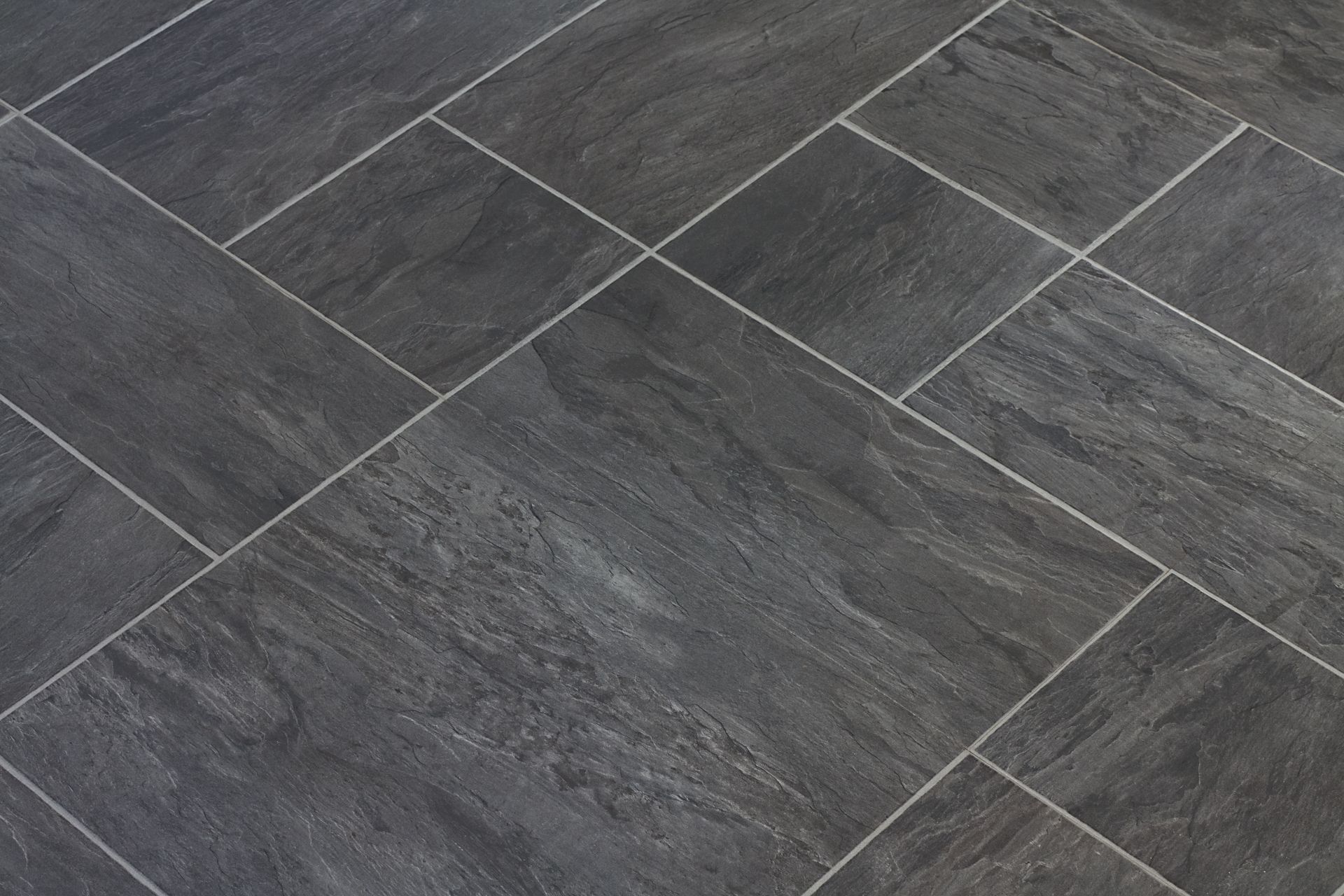
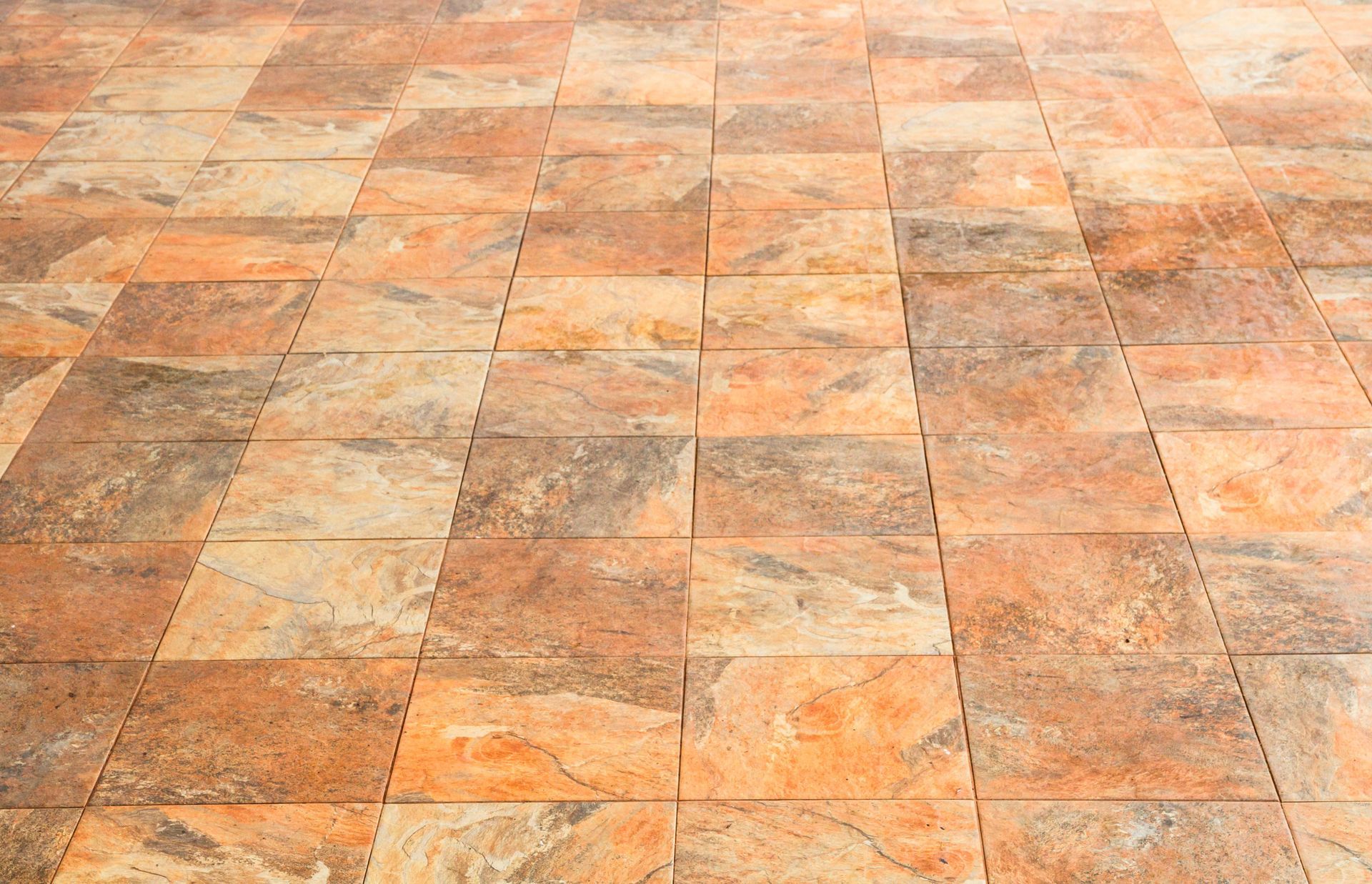
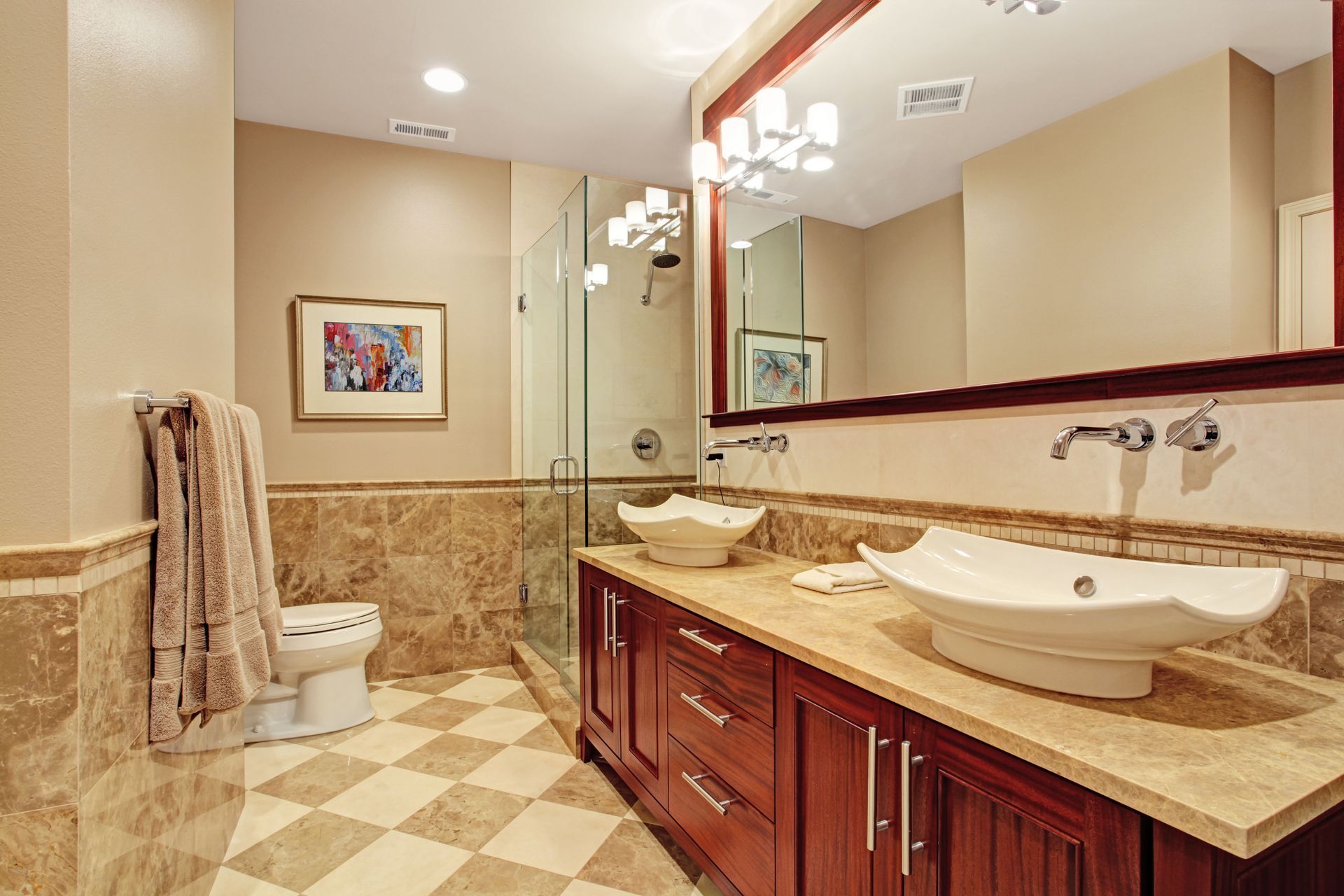
Beyond durability, tiles are incredibly versatile. They come in a wide variety of colors, patterns, and finishes, allowing homeowners and designers to create spaces that reflect personal style or brand identity in commercial settings. From sleek, modern designs to intricate, traditional patterns, the options are nearly limitless. Tiles can mimic the look of natural materials like wood or stone, offering a luxurious appearance without the high maintenance demands. Additionally, tiles can be installed in virtually any room, including kitchens, bathrooms, living areas, and even outdoor patios, making them one of the most adaptable flooring choices available.
Another advantage of tiles is their ability to enhance property value. Potential buyers often view tile floors as a premium feature because of their aesthetic appeal and longevity. A well-designed tile installation can elevate the look of a home or commercial property, creating an inviting and sophisticated environment. This combination of practicality, beauty, and lasting performance makes tiles an excellent investment for anyone looking to upgrade their floors.
Are Tiles Easy To Maintain?
One of the key benefits of tile flooring is its low-maintenance nature. Unlike carpets, which can harbor dust, allergens, and stains, tiles are easy to clean and resistant to a wide range of common issues. Most tiles are waterproof, making them ideal for kitchens, bathrooms, and other areas where spills or moisture are frequent. This resistance helps prevent water damage and mold growth, which can be a significant concern with other flooring types.
Cleaning tiles is straightforward. Regular sweeping and occasional mopping are typically sufficient to keep them looking pristine. Stubborn stains or dirt can be removed with mild detergents without causing damage to the surface. The grout between tiles may require periodic attention to prevent discoloration, but many modern grout products offer stain-resistant or antibacterial properties to simplify maintenance further.
Tiles are also scratch-resistant, which makes them suitable for households with pets, children, or heavy furniture. Unlike softer flooring materials, they maintain their surface integrity even under frequent stress. This durability, combined with easy maintenance, means that tiles not only retain their appearance over time but also reduce the effort and cost associated with ongoing floor care.
How Does Tile Flooring Compare In Cost To Other Flooring Options?
While tiles may have a higher upfront cost compared to alternatives like laminate, vinyl, or carpet, they are often more cost-effective in the long term. The longevity of tiles means that they rarely need replacement, which can save homeowners and businesses substantial money over decades. When factoring in maintenance costs, the durability and low upkeep of tiles make them a financially sound investment.
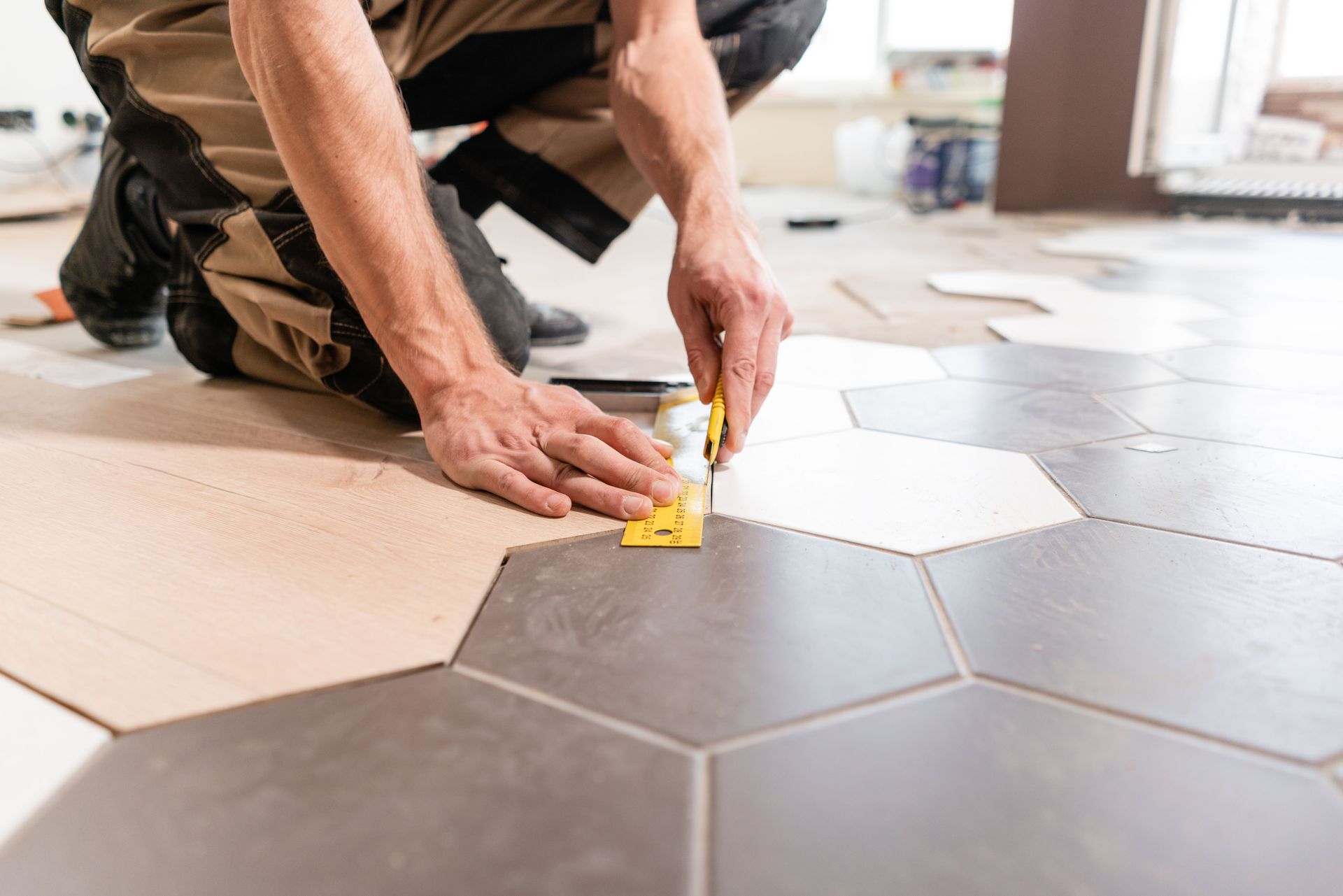
Additionally, the versatility of tiles allows for a range of price points to suit different budgets. Ceramic tiles are often more affordable, while natural stone or designer porcelain tiles may cost more initially but can significantly enhance the aesthetic appeal and property value. Installation costs can vary depending on the complexity of the layout and the skill required, but hiring experienced professionals ensures a durable finish that maximizes the lifespan of the flooring.
Investing in tiles can also help avoid the hidden costs associated with other materials. For instance, carpets can stain and wear unevenly, requiring replacement every few years. Wood floors may require refinishing, sanding, or treatment to address scratches, moisture damage, or warping. With tiles, these concerns are largely minimized, providing peace of mind and predictable long-term performance.
Is Tile Flooring Environmentally Friendly?
Tiles can be an eco-friendly flooring choice for environmentally conscious consumers. Many tile products are made from natural, abundant materials like clay, sand, or stone, which reduces the reliance on synthetic products and chemical treatments. Some manufacturers also incorporate recycled content into their tiles, further reducing their environmental footprint.
Tiles are long-lasting, which contributes to sustainability by minimizing waste. A flooring option that lasts decades reduces the need for frequent replacement, lowering the consumption of raw materials and the energy used in manufacturing and transport. Additionally, tiles do not emit harmful chemicals or volatile organic compounds (VOCs), making them safer for indoor air quality compared to some synthetic flooring options.
Energy efficiency can also be enhanced through tile use. Certain types of tiles, like ceramic and porcelain, have excellent thermal mass properties, which help regulate indoor temperature by absorbing and slowly releasing heat. This feature can reduce the reliance on heating and cooling systems, indirectly contributing to energy conservation and a smaller carbon footprint.
What Are The Considerations For Choosing The Right Tile For Your Space?
Selecting the ideal tile involves more than just choosing a pattern or color. Several factors should be considered to ensure that the flooring meets both aesthetic and functional needs. The material type is a primary consideration, as it affects durability, water resistance, and overall performance. Porcelain and ceramic tiles are highly popular for their strength and versatility, while natural stone tiles offer unique patterns and textures but may require more maintenance.
Size and shape also play a role in the visual impact of a room. Large-format tiles can create a modern, spacious feel, while smaller tiles can add intricate detail or complement complex layouts. The texture of tiles is another important factor. Smooth tiles offer a sleek look, while textured tiles can provide slip resistance and tactile appeal, which is especially important in wet areas like bathrooms or kitchens.
Color and pattern selection allow homeowners and designers to customize the atmosphere of a space. Neutral tiles provide a timeless backdrop that complements a variety of furnishings, while bold colors or patterned tiles make a statement and create visual interest. Consideration should also be given to the grout color, as it affects the overall appearance and maintenance requirements.
Finally, understanding the intended use of the space is crucial. Tiles installed in high-traffic areas or outdoor patios need to be durable and weather-resistant, while tiles in decorative or low-traffic areas may prioritize style and visual appeal. Matching the right tile to the space ensures that the investment is both practical and aesthetically pleasing.
The benefits of installing tile flooring are extensive, making it a smart choice for those seeking long-lasting, stylish, and practical flooring solutions. Tiles offer unmatched durability, ease of maintenance, and versatility in design, allowing homeowners and business owners to create spaces that reflect their style while withstanding daily wear. Properly cared for, tile flooring can last for decades, offering a reliable and sustainable option that adds value to any property. With so many choices in material, size, texture, and color, selecting the right
tiles enables you to achieve a perfect balance of beauty and functionality, making tile flooring a timeless investment for any space. If you're interested in tile flooring, reach out to the professionals at Anaheim Hills Tile Supply today!
Share On: